


When sourcing small, complex, and high-precision metal parts, choosing the right Swiss turned components supplier can directly affect product quality, production costs, and delivery schedules. Swiss-type CNC turning is particularly suitable for components that require tight tolerances, slender geometries, multiple machining operations, and consistent production quality.
However, not every supplier has the same equipment, engineering capabilities, quality-control systems, or production capacity. For manufacturers and procurement teams, the goal is not simply to find the lowest quotation, but to identify a reliable manufacturing partner that can consistently meet technical, quality, and delivery requirements.
So, what should you consider when selecting the right Swiss turned components supplier?
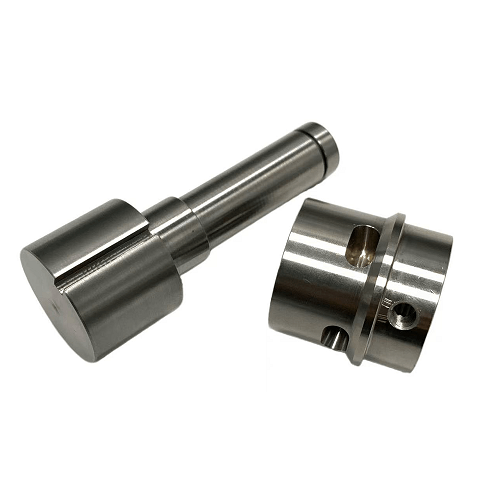
1. Check the Supplier's Swiss cnc turning Capabilities
The first step is to determine whether the supplier's actual machining capabilities match your component requirements.
A professional Swiss cnc turning supplier should be able to handle the dimensions, geometry, tolerances, and machining operations specified in your drawings. Swiss-type machines are particularly suitable for small-diameter and slender components because the workpiece is supported close to the cutting area, helping improve machining stability and dimensional accuracy.
Depending on the component design, machining requirements may include:
CNC turning
Drilling and boring
Threading
Grooving
Knurling
Milling
Cross drilling
Tapping
Secondary finishing operations
A supplier capable of completing multiple operations in fewer setups can help reduce handling, improve consistency, and increase production efficiency.
2. Evaluate Precision and Tolerance Control
Precision is one of the main reasons manufacturers choose Swiss turning for small and complex components.
Before selecting a precision turned components supplier, check whether the supplier has experience with your critical tolerances, concentricity requirements, surface finish specifications, and dimensional stability requirements.
Instead of simply asking about the supplier's maximum machining accuracy, provide your actual technical drawing and ask the supplier to evaluate the complete component.
Important questions include:
Can the required tolerances be consistently maintained?
How are critical dimensions inspected?
What measuring equipment is available?
How frequently are parts inspected during production?
Can dimensional inspection reports be provided?
How is dimensional variation controlled during long production runs?
It is also important to avoid unnecessarily tight tolerances. Extremely tight tolerances can increase machining time, tooling costs, inspection requirements, and overall component prices without providing additional functional benefits.
3. Confirm Experience With Your Materials
Material experience is another important factor when choosing a Swiss turned parts manufacturer.
Different materials require different tooling, cutting parameters, coolant strategies, and machining techniques. Common materials for Swiss turned components include stainless steel, brass, aluminum, carbon steel, copper alloys, titanium, and engineering plastics.
Before placing an order, ask the supplier:
Which materials do you regularly machine?
Can you source the required material grade?
Can you provide material certificates?
Do you have experience with difficult-to-machine materials?
Can the same material specification be maintained for repeat orders?
For applications requiring material traceability, material certificates and batch information should be discussed before production begins. Material selection can also affect machining cost, surface finish, dimensional stability, and production efficiency.
4. Evaluate Quality Control, Not Just Certifications
Certifications can provide useful information, but they should not be the only factor used to evaluate a supplier.
A reliable Swiss turned components supplier should have a complete quality-control process covering incoming materials, machining, in-process inspection, final inspection, and shipment.
Depending on your application, you may need:
First Article Inspection reports
Dimensional inspection reports
Material certificates
Calibration records
Batch traceability
Quality-control plans
Non-conformance procedures
For precision components, first article inspection can help verify that the initial production parts meet drawing requirements before full-scale production begins. For repeat orders, inspection records and batch traceability can provide additional confidence in consistent quality.
5. Consider Production Capacity and Order Volume
A supplier may produce excellent samples but still struggle to handle large-volume production. Therefore, production capacity should be evaluated before placing a major order.
Consider your expected purchasing requirements, including:
Prototype or sample quantities
Small-batch production
Medium-volume production
High-volume production
Recurring monthly or annual orders
The appropriate production method depends on component geometry, material, tolerance requirements, order volume, and delivery expectations.
A capable supplier should also be able to explain how it manages production capacity when multiple customer orders are running simultaneously. Stable production capacity is particularly important for customers who require recurring orders or plan to increase their purchase volume over time.
6. Compare Total Cost Instead of Only Unit Price
Price is an important part of supplier selection, but the lowest quotation does not necessarily represent the lowest overall procurement cost.
When comparing Swiss turned components suppliers, consider:
Unit price
Tooling and setup costs
Material costs
Minimum order quantity
Surface treatment
Secondary machining
Inspection costs
Packaging
Shipping
Lead time
Potential scrap and rework costs
For example, a supplier with a slightly higher unit price may still provide a lower overall cost if it offers stable quality, low rejection rates, reliable delivery, and fewer production problems.
For this reason, buyers should evaluate the total procurement cost rather than choosing a supplier based only on the initial unit quotation.
7. Check Engineering and DFM Support
A strong supplier should do more than simply manufacture the drawing you provide. Engineering support can make a significant difference when producing complex precision components.
Experienced custom Swiss turned components manufacturers can often identify potential production issues before machining begins. They may suggest adjustments to tolerances, threads, grooves, material selection, or machining sequences to improve manufacturability without affecting the function of the finished part.
Before placing an order, consider asking:
Does the supplier review technical drawings?
Can it provide DFM recommendations?
Can it recommend alternative materials?
Can it suggest cost-saving design improvements?
Can engineering changes be discussed before production?
Addressing manufacturability issues during the design stage can help reduce unexpected tooling costs, production delays, and quality problems later.
8. Verify Lead Time and Delivery Reliability
A supplier that produces high-quality components but consistently misses delivery deadlines can create serious problems for your production schedule.
When evaluating a Swiss turned components supplier, ask about:
Sample lead time
Mass-production lead time
Raw material availability
Production scheduling
Repeat-order lead times
Emergency production capability
Shipping arrangements
It is also useful to understand how the supplier handles unexpected issues such as material shortages, equipment downtime, or quality problems.
For recurring orders, a supplier with stable processes and predictable delivery can be more valuable than a supplier offering the lowest initial quotation.
9. Choose a Supplier for Long-Term Cooperation
Swiss turned components are often not one-time purchases. Once a component enters regular production, you may need the same dimensions, material, surface finish, packaging, and quality standards for months or even years.
Therefore, supplier selection should also consider long-term cooperation.
A reliable manufacturing partner should be able to support:
Repeat production
Engineering changes
Production volume increases
New component development
Quality documentation
Consistent material sourcing
Production traceability
Stable delivery schedules
The best Swiss turned components suppliers are not simply machining vendors. They can become an important part of a customer's long-term manufacturing supply chain.
10. Questions to Ask Before Placing an Order
Before making your final decision, prepare a supplier evaluation checklist covering the most important technical and commercial factors.
What Swiss CNC machines and machining equipment do you use?
What component sizes and diameters can you manufacture?
What tolerances can you consistently maintain?
Which materials do you regularly machine?
Can you provide material certificates and inspection reports?
What is your typical sample and production lead time?
What production volumes can you support?
Do you provide engineering and DFM support?
Getting clear answers to these questions can help buyers compare suppliers based on actual manufacturing capabilities rather than marketing claims alone.
Applications of Swiss Turned Components
Swiss turned components are widely used in industries where small dimensions, complex geometries, and high precision are important. Common applications include medical devices, automotive components, electronics, industrial automation, instrumentation, telecommunications, aerospace equipment, and precision machinery.
For these applications, the ability to maintain consistent dimensions across large production quantities is often just as important as achieving high precision on individual parts.
FAQ
1. What are Swiss turned components?
Swiss turned components are precision-machined parts produced using Swiss-type CNC turning machines. They are especially suitable for small-diameter, slender, and complex components requiring tight tolerances.
2. What should I look for in a Swiss turned components supplier?
Consider the supplier's machining capabilities, precision control, material experience, quality system, production capacity, lead time, engineering support, and overall cost.
3. What materials can Swiss CNC turning suppliers machine?
Depending on their equipment and experience, suppliers may machine stainless steel, brass, aluminum, carbon steel, copper alloys, titanium, and engineering plastics.
4. Can suppliers manufacture custom Swiss turned components?
Yes. Many suppliers can manufacture custom parts according to technical drawings, CAD files, samples, and specific material and tolerance requirements.
5. What information should I provide when requesting a quotation?
Provide a technical drawing or 3D model, material and grade, dimensions, tolerances, surface finish, order quantity, secondary processes, inspection requirements, and expected delivery schedule.
Choosing the right Swiss turned components supplier requires more than comparing several quotations. Buyers should evaluate machining capabilities, precision control, material experience, quality systems, production capacity, engineering support, delivery reliability, and total procurement cost.
For companies sourcing custom Swiss turned components, the ideal supplier is one that can consistently transform technical drawings into reliable components while maintaining stable quality and delivery across repeat production.
Before requesting a quotation, prepare your technical drawings, material specifications, order quantities, tolerance requirements, surface-finish requirements, and inspection expectations. Complete project information allows a qualified supplier to evaluate your requirements more accurately and provide a realistic quotation.
If you are looking for a reliable partner for precision Swiss turned components, evaluating suppliers against these criteria can help reduce sourcing risks, control long-term costs, and build a stronger manufacturing supply chain.