


Custom Sheet Metal Fabrication allows manufacturers to produce metal components according to specific drawings, dimensions, materials, and application requirements. Instead of relying only on standard components, businesses can develop sheet metal parts that are designed to fit their equipment, assembly, and production processes.
For industrial equipment manufacturers, OEMs, automation companies, and machinery builders, custom fabrication can provide flexibility from prototype development through repeat production.
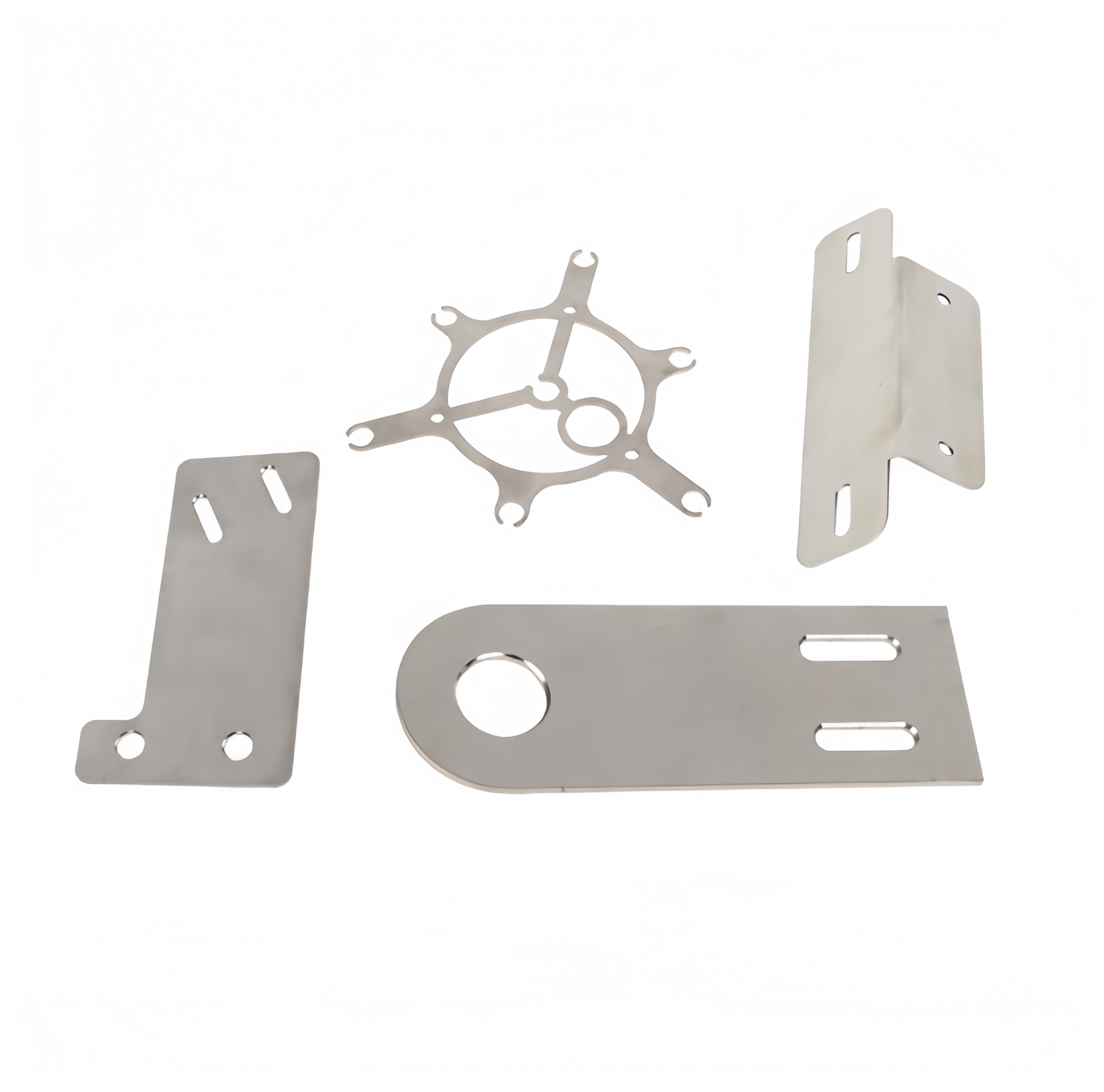
1. Components Can Be Designed to Specific Requirements
One of the main advantages of custom sheet metal fabrication is the ability to manufacture components according to individual project specifications.
Customers can provide CAD files, engineering drawings, sketches, or samples, depending on the supplier's capabilities. The fabricated part can then be produced according to specified dimensions, hole positions, bend angles, material thickness, and other design requirements.
This is particularly useful when a standard off-the-shelf component cannot meet the required size or configuration.
2. Flexible Material Selection
Custom fabrication allows buyers to select materials based on the functional requirements of the finished component.
Common choices include:
stainless steel: Suitable for applications where corrosion resistance and durability are important.
Aluminum: Useful when lightweight construction and corrosion resistance are required.
Carbon Steel: Commonly used for structural and general-purpose industrial components.
Galvanized Steel: Selected for applications requiring additional protection against corrosion.
Copper: Used for selected electrical and thermal applications.
Material selection can be coordinated with the required strength, weight, conductivity, corrosion resistance, appearance, and budget.
3. Suitable for Complex Designs
Modern sheet metal fabrication equipment can process components with different shapes, openings, bends, and structural features. CNC Laser Cutting, punching, and bending allow manufacturers to produce parts based on detailed digital designs.
For example, one custom enclosure may include cable openings, ventilation slots, mounting holes, folded edges, and multiple bends. These features can be incorporated into the fabrication design according to the equipment's assembly requirements.
4. Supports Rapid Prototyping
Product development often requires physical prototypes before mass production. Custom sheet metal fabrication can provide prototype parts for checking dimensions, fit, appearance, and assembly.
Engineers can evaluate the prototype and modify the design if necessary. Changes to hole locations, bend angles, material thickness, or dimensions can then be incorporated into a revised drawing.
This iterative process can help manufacturers identify design issues before committing to larger production quantities.
5. Suitable for Small-Batch and Mass Production
Custom sheet metal fabrication is not limited to one production volume. Depending on the supplier's equipment and production capabilities, fabrication projects can range from prototypes and small batches to recurring larger-volume orders.
This makes custom fabrication useful for companies whose production requirements change over time. A project may begin with prototypes and gradually move toward regular production after the design has been verified.
6. Multiple Processes Can Be Combined
A custom sheet metal supplier may provide several processes within one production workflow. This can include:
CNC laser cutting
CNC punching
CNC bending
Sheet metal forming
Welding
Grinding and deburring
Drilling and tapping
Surface finishing
Assembly
Combining multiple processes can reduce the need to coordinate different suppliers for individual manufacturing stages, depending on the project's requirements and the supplier's capabilities.
7. Better Control Over Component Fit and Assembly
Custom sheet metal parts are designed around the requirements of the final assembly. Hole patterns, mounting points, bend locations, and dimensions can be specified to correspond with other components.
This can be particularly important for equipment housings, control cabinets, machinery frames, brackets, and mounting components where several parts need to be assembled together.
Dimensional inspection during production can help verify that fabricated components remain within the specified tolerances.
8. Flexible Surface Finishing
After fabrication, sheet metal components can receive different surface treatments according to functional and aesthetic requirements.
Possible finishing options include:
Powder coating
Wet painting
Anodizing
Electroplating
Brushing
Polishing
Other application-specific finishes
The appropriate finishing method depends on the base material, intended environment, appearance requirements, and required surface performance.
9. Can Help Optimize Material Usage
For many fabricated parts, material utilization is an important consideration. Digital cutting and nesting can help arrange multiple parts efficiently on a sheet, depending on the part geometry and production requirements.
Engineers can also review part dimensions, bend structures, and material thickness during the design stage to identify opportunities for more efficient manufacturing.
However, material savings should always be balanced with structural requirements, product performance, and fabrication quality.
10. Supports OEM and Private-Label Manufacturing
Custom sheet metal fabrication is well suited to OEM projects because manufacturers can produce components according to a customer's drawings and specifications.
OEM buyers may require custom equipment housings, brackets, panels, frames, cabinets, machine covers, or other fabricated components. A capable supplier can support these requirements through engineering communication, prototype production, fabrication, finishing, inspection, and packaging.
What Industries Use Custom Sheet Metal Fabrication?
Custom sheet metal fabrication is used across a wide range of industrial applications, including:
Industrial machinery
Electrical enclosures
Electronic equipment
HVAC systems
Transportation equipment
Energy equipment
Material handling systems
Commercial equipment
The required fabrication processes vary according to the application, material, component design, and production quantity.
How to Make a Custom Sheet Metal Fabrication Project More Efficient?
Providing complete technical information at the beginning of a project can help reduce unnecessary communication and production delays.
Buyers should ideally provide:
3D CAD files or 2D engineering drawings
Material type and grade
Material thickness
Required dimensions and tolerances
Surface finishing requirements
Assembly requirements
Expected production quantity
Packaging requirements
Target delivery schedule
For new designs, discussing manufacturability with the fabrication supplier before production can also help identify potential issues with bends, holes, material thickness, or finishing requirements.
How to Choose a Custom Sheet Metal Fabrication Manufacturer?
When selecting a supplier, buyers should evaluate more than the quoted unit price. Important factors include manufacturing equipment, engineering support, quality control, material sourcing, production capacity, and experience with similar components.
A reliable supplier should also be able to communicate clearly about material availability, fabrication limitations, tolerances, finishing options, sampling, production schedules, and inspection requirements.
Conclusion
Custom sheet metal fabrication provides manufacturers with flexibility in design, material selection, production volume, surface finishing, and component configuration. It can support prototypes, small-batch production, OEM components, and recurring industrial manufacturing projects.
By combining cutting, bending, punching, welding, finishing, and inspection processes, custom fabrication can produce sheet metal components tailored to specific equipment and assembly requirements.
Need custom sheet metal parts for your project? Send us your drawings, material specifications, dimensions, and order quantity to discuss a fabrication solution tailored to your requirements.