


Custom online CNC machining services allow engineers, product developers, designers, and purchasing teams to request custom machined parts through an online manufacturing platform. Instead of contacting multiple machine shops manually, customers can submit digital part information, specify manufacturing requirements, and request a quotation through an online process.
Online CNC machining is particularly useful for custom parts, prototypes, small-batch components, and production projects that require a combination of precision, material flexibility, and manufacturing scalability.
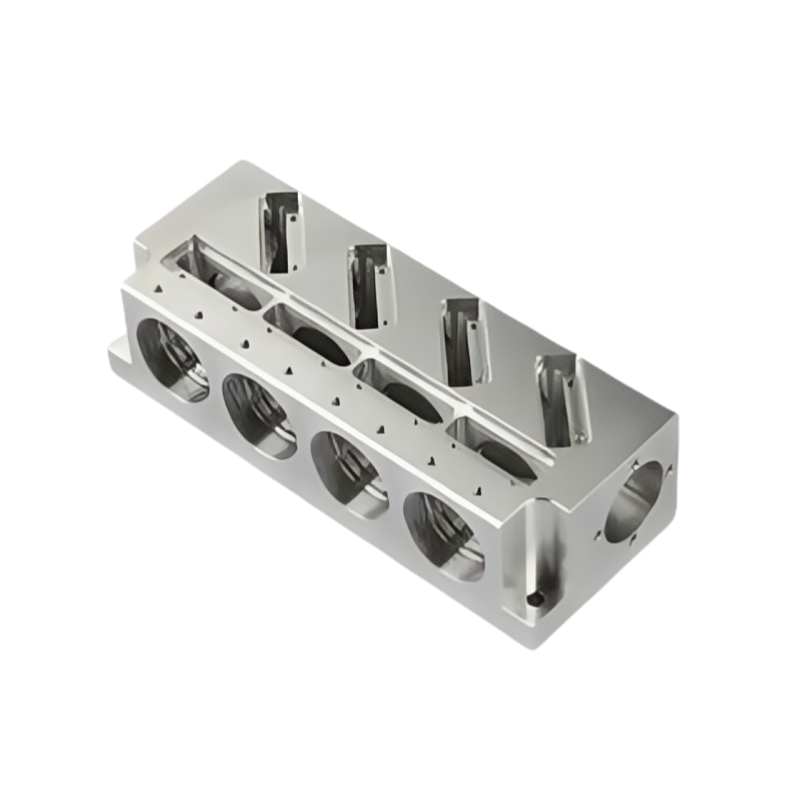
How Does Online CNC Machining Work?
A typical online CNC machining process connects a digital product design with a manufacturing quotation and production workflow.
Upload the design: The customer submits a CAD file, engineering drawing, or other available design information.
Select the material: The required metal or plastic is specified according to the application's requirements.
Define specifications: Tolerances, surface finishes, threads, inspection requirements, and other technical details are provided.
Request a quote: The platform or machining supplier evaluates the part and provides pricing and production information.
Review manufacturability: Engineering feedback may identify potential machining or design issues before production.
Approve the order: Once the specifications, quantity, price, and delivery requirements are confirmed, production can begin.
Manufacture and inspect: CNC machining is completed according to the approved specifications, followed by the required inspection and finishing.
Ship the parts: Finished components are packaged and delivered according to the agreed shipping requirements.
What Types of CNC Machining Can Be Ordered Online?
Online manufacturing platforms can support multiple CNC processes depending on the supplier's equipment and manufacturing network.
Cnc Milling
CNC milling uses rotating cutting tools to remove material from a workpiece. It is suitable for brackets, housings, plates, fixtures, prototypes, and components with pockets, slots, holes, and complex contours.
CNC turning
CNC turning is commonly used for cylindrical components. The workpiece rotates while cutting tools remove material to create diameters, grooves, threads, bores, and other rotational features.
CNC Routing
CNC routing can be used for suitable plastic, composite, and other sheet or plate materials. The appropriate process depends on the material, thickness, geometry, and required accuracy.
Multi-Axis Machining
4-axis and 5-Axis Machining can provide additional flexibility for parts with complex geometries or features located on multiple sides. Choosing the right machine configuration can reduce repositioning and improve access to difficult features.
What Materials Are Available for Online CNC Machining?
The available material selection depends on the machining supplier and manufacturing platform. Common CNC machining materials include both metals and engineering plastics.
Aluminum
Stainless steel
Carbon steel
Brass
Copper
Titanium
ABS
POM
Nylon
Other engineering plastics
Material selection should be based on the functional requirements of the finished component rather than price alone. Strength, weight, corrosion resistance, temperature resistance, wear resistance, electrical conductivity, and machinability can all affect the appropriate material choice.
What Information Is Needed for an Online CNC Machining Quote?
A more complete RFQ generally allows a manufacturer to evaluate the project more accurately. Important information may include:
CAD model or 3D drawing
2D engineering drawing
Material specification
Required quantity
Dimensional tolerances
GD&T requirements
Surface finish
Thread specifications
Heat treatment
Surface treatment
Inspection requirements
Required delivery schedule
For parts with critical dimensions, the drawing should clearly identify which features require tighter tolerances. This helps the manufacturer understand which dimensions are functionally important and how the parts should be inspected.
Online CNC Machining for Prototypes
Prototype development is one of the common applications of online CNC machining. Engineers can submit a digital design and order a limited quantity of functional parts without establishing a dedicated production line.
CNC-machined prototypes can be useful for checking dimensions, assembly, mechanical performance, installation, and interaction with other components before moving into larger-scale manufacturing.
Online CNC Machining for Small-Batch Production
Not every project requires thousands of components. Product development teams may need dozens or hundreds of custom parts for testing, pilot production, equipment assembly, or initial market release.
Online CNC machining services can connect these requirements with available manufacturing capacity, making the process suitable for projects that fall between prototyping and high-volume production.
Can Online CNC Machining Support Production Parts?
Yes. CNC machining can be used for both prototype and production components. The appropriate production method depends on the part geometry, material, tolerance, quantity, lead time, and total manufacturing cost.
For repeat production, factors such as tooling strategy, fixture design, machine capacity, inspection procedures, material availability, and process consistency become increasingly important.
What Are the Advantages of Custom Online CNC Machining?
Faster RFQ Process
Online platforms can simplify the initial quotation process by allowing customers to submit digital design files and manufacturing requirements through one system.
Access to Multiple Manufacturing Capabilities
A platform or manufacturing network may provide access to different CNC processes, machine configurations, materials, and finishing options, depending on the available suppliers.
Suitable for Different Production Volumes
Online CNC machining can be used for prototypes, small batches, and production orders. The appropriate manufacturing solution can be selected according to the required quantity and part specifications.
Digital Design-Based Manufacturing
Because CNC machining is based on digital design data and programmed toolpaths, the process fits naturally into modern product development and digital manufacturing workflows.
What Are the Limitations of Online CNC Machining?
Online ordering does not eliminate the need for engineering evaluation. A part that looks straightforward on a CAD model may still have challenges related to tool access, workholding, wall thickness, deep cavities, tight tolerances, or material behavior.
Cost can also vary significantly depending on part complexity, material, quantity, machining time, finishing requirements, and inspection specifications. For this reason, customers should compare the complete manufacturing requirements rather than focusing only on the initial unit price.
How to Choose a Custom CNC Machining Service?
When selecting an online CNC machining provider, consider the following factors:
Machining capabilities: Check whether the provider supports the required milling, turning, or multi-axis process.
Material selection: Confirm that the required material and grade are available.
Tolerance capability: Make sure the provider can meet the critical dimensions on the drawing.
Surface finishing: Check available anodizing, plating, polishing, blasting, painting, or other finishing options.
Inspection: Confirm the inspection methods and documentation available for critical parts.
Production capacity: Make sure the supplier can support the required quantity and future repeat orders.
Communication: Engineering and purchasing teams should be able to communicate technical requirements clearly.
Lead time: Consider quotation, production, inspection, finishing, and shipping time together.
Online CNC Machining vs. Traditional RFQ
The main difference is the way the quotation and sourcing process is organized. Traditional CNC sourcing often requires a buyer to contact individual machine shops, send drawings, wait for quotations, and compare manufacturing capabilities manually.
With an online CNC machining service, much of the initial process can be organized digitally. Customers can submit their designs and requirements through an online platform and receive manufacturing information through a centralized workflow.
However, complex or highly specialized parts may still require engineering review and direct communication before production.
Conclusion
Custom online CNC machining services provide a digital way to source custom machined components for prototypes, small batches, and production applications. By combining CAD-based quoting, CNC milling and turning capabilities, material selection, finishing, and inspection options, online machining can simplify the process of moving from a digital design to a physical component.
Before requesting a quote, prepare the CAD model, technical drawing, material, quantity, tolerance, surface finish, and inspection requirements. Clear specifications make it easier for the CNC machining provider to evaluate the project and develop an appropriate manufacturing solution.