Laser Cutting machines can process a wide range of materials, but the suitable material depends on the laser source, machine configuration, material properties, thickness, and required cutting quality. In industrial manufacturing, fiber laser systems are commonly used for metals such as carbon steel, stainless steel, aluminum, brass, and copper.
Laser cutting is also used for selected plastics, wood, acrylic, rubber, textiles, and other non-metal materials when the laser system is appropriate for the application.
For manufacturers and buyers, understanding material compatibility is important before selecting a laser cutting service. The same machine settings cannot be applied to every material because different materials respond differently to heat, laser energy, and assist gases.
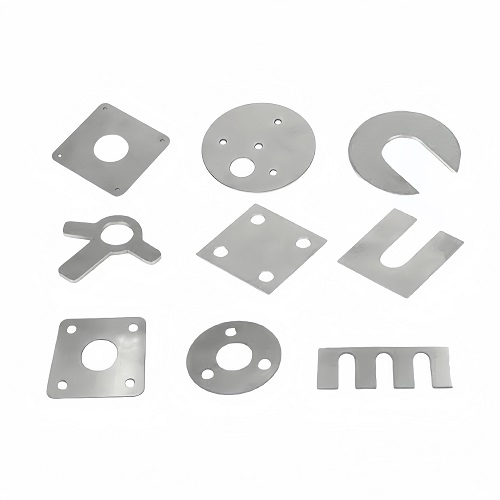
What Metals Can Be Cut with a Laser?
Metal laser cutting is one of the most common industrial applications of laser technology. Fiber laser systems are particularly widely used for sheet metal and plate processing.
1. Carbon Steel
Carbon steel laser cutting is widely used for brackets, structural components, machine parts, plates, frames, and industrial fabrication.
Carbon steel can commonly be processed using oxygen or other suitable assist gas strategies depending on the material thickness and required edge condition. Oxygen can support cutting by participating in an exothermic reaction, while other gas options may be selected when different edge requirements are needed.
The appropriate cutting parameters depend on the exact grade, thickness, laser power, and machine configuration.
2. Stainless Steel
Stainless steel laser cutting is commonly used for equipment housings, brackets, panels, enclosures, decorative components, and precision industrial parts.
Stainless steel is often cut using nitrogen when a clean, low-oxidation edge is required. The appropriate gas and process settings depend on the application and material thickness.
Common stainless steel grades used in manufacturing include 304 and 316 series materials, although the available grades depend on the supplier and project requirements.
3. Aluminum
Aluminum laser cutting is used when manufacturers need lightweight metal components for industrial equipment, electronics, automation systems, transportation equipment, and structural applications.
Aluminum has high thermal conductivity and reflective characteristics, so laser source selection and process parameters are important. Fiber laser systems are widely used for aluminum processing.
4. Brass
Brass can be laser cut using suitable equipment and parameters. It is often used for electrical components, decorative parts, precision components, fittings, and hardware.
Because brass is reflective and conducts heat efficiently, cutting parameters and assist gas selection need to be controlled carefully.
5. Copper
Copper can also be processed using appropriate fiber laser systems. Copper's high thermal conductivity and reflectivity make it more demanding than many common steels.
For copper laser cutting, the laser source, power level, thickness, cutting speed, and gas conditions should be selected according to the specific material and application.
6. Galvanized Steel
Galvanized steel can be laser processed under suitable conditions. Because the material has a zinc coating, manufacturers need to consider coating behavior, ventilation, cutting parameters, and the desired edge condition.
Can Laser Cutting Machines Cut Non-Metal Materials?
Yes. Depending on the laser type and machine configuration, laser cutting can also be used for various non-metal materials.
Examples include:
Acrylic and PMMA
Wood
Plywood
Cardboard
Paper
Leather
Fabric and textiles
Selected plastics
Rubber
Foam materials
However, material compatibility should always be checked before processing. Some plastics can release hazardous fumes or undesirable decomposition products when heated by a laser, so the material composition and machine safety requirements must be considered.
Which Materials Are Best for Fiber Laser Cutting?
Fiber laser cutting is particularly well suited to many industrial metals. Common applications include:
Carbon steel
Mild steel
Stainless steel
Aluminum
Brass
Copper
Selected alloy metals
The actual cutting capability depends on the laser power, machine configuration, material grade, sheet size, thickness, and required edge quality.
How Does Material Thickness Affect Laser Cutting?
Material thickness is one of the most important factors when selecting a laser cutting process. As thickness increases, the machine needs sufficient laser energy to penetrate the material and remove molten material effectively.
Thicker materials can require lower cutting speeds, different focus settings, higher power, or different assist gas conditions. The maximum practical thickness is therefore not a single universal number.
For this reason, buyers should provide the exact material grade and thickness when requesting a laser cutting quotation.
How Does Material Type Affect Cutting Quality?
Different materials absorb and conduct laser energy differently. Reflectivity, thermal conductivity, melting behavior, thickness, and surface condition can all influence cutting performance.
For example, stainless steel, aluminum, copper, and carbon steel require different process parameters even when the sheet thickness is similar.
Material-specific settings help control:
Cutting speed
Edge quality
Kerf characteristics
Dross or burr formation
Heat-affected areas
Oxidation
Dimensional consistency
Why Does Assist Gas Matter in Laser Cutting?
Assist gas plays an important role in many laser cutting applications. It helps remove molten material from the cutting path and can affect cutting speed, edge quality, and oxidation.
Oxygen
Oxygen is commonly used for certain steel cutting applications. The oxygen can react with the material and add heat to the cutting process, which can support faster cutting under appropriate conditions.
Nitrogen
Nitrogen is commonly selected when a clean, low-oxidation edge is important, particularly for stainless steel and aluminum applications.
Compressed Air
Compressed air can be used in some laser cutting applications as a lower-cost alternative to dedicated process gases. Whether it is suitable depends on the material, thickness, machine, and required edge quality.
Which Materials Are Difficult to Laser Cut?
Not every material is suitable for every laser cutting machine. Highly reflective metals, heat-sensitive materials, certain plastics, composites, and materials containing problematic coatings may require special equipment or process controls.
Materials such as copper and brass can be more demanding because of their optical and thermal properties. Some plastics may also be unsuitable because of their chemical composition and the fumes generated during laser processing.
Before production, the material composition should be confirmed with the laser cutting manufacturer.
How to Choose the Right Material for Laser Cutting?
When selecting material for a custom laser cutting project, consider the following factors.
Mechanical Requirements
Consider strength, hardness, stiffness, weight, wear resistance, and other mechanical properties required by the finished component.
Corrosion Resistance
For components exposed to moisture, chemicals, or outdoor conditions, material corrosion resistance may be an important consideration. Stainless steel and suitable aluminum alloys can be useful in applications where corrosion resistance is required.
Material Thickness
The thickness should match both the mechanical requirements of the part and the laser cutting machine's processing capability.
Surface Requirements
Determine whether the finished edge needs to be clean, oxide-free, smooth, painted, welded, or otherwise finished. The required surface condition can influence material choice and cutting parameters.
Cost
Material price can have a significant impact on the total cost of a laser-cut part. When choosing between materials, consider both material cost and the functional requirements of the finished component.
Common Applications of Laser-Cut Materials
Different materials are selected for different applications.
| Material | Common Applications |
|---|
| Carbon Steel | Machine parts, brackets, frames, structural components |
| Stainless Steel | Enclosures, equipment parts, panels, brackets, industrial components |
| Aluminum | Lightweight structures, electronic components, automation parts |
| Brass | Electrical components, fittings, decorative and precision parts |
| Copper | Electrical components, conductive parts, precision components |
| Acrylic | Displays, covers, signage, prototypes |
| Wood | Panels, decorative parts, prototypes and custom products |
What Information Should You Provide for a Laser Cutting Quote?
When requesting a custom laser cutting quote, providing complete technical information can help the manufacturer evaluate the project more efficiently.
Material type and grade
Material thickness
Part dimensions
CAD drawing or digital design file
Required quantity
Dimensional tolerances
Surface finish requirements
Deburring or secondary processing requirements
Packaging requirements
For repeat orders, it is also useful to provide previous production information or reference samples when available.
Frequently Asked Questions
Can stainless steel be laser cut?
Yes. Stainless steel is widely processed using laser cutting systems. The appropriate laser source, assist gas, power, speed, and other parameters depend on the material grade and thickness.
Can aluminum be cut with a laser?
Yes. Aluminum can be laser cut using suitable equipment, with fiber laser systems commonly used for industrial aluminum processing.
Can copper be laser cut?
Yes, but copper can be more challenging because of its high reflectivity and thermal conductivity. Suitable laser equipment and carefully controlled process parameters are important.
What is the best material for laser cutting?
There is no single best material. Carbon steel, stainless steel, aluminum, brass, and copper can all be suitable depending on the application. The best choice depends on mechanical requirements, corrosion resistance, weight, thickness, cost, and final use.
Does material thickness affect laser cutting cost?
Yes. Thickness can influence cutting speed, laser power requirements, assist gas consumption, processing time, and the overall manufacturing cost.
Laser cutting machines can process a wide variety of materials, with carbon steel, stainless steel, aluminum, brass, and copper among the most common metals for industrial applications. Other laser systems can also process selected plastics, acrylic, wood, leather, textiles, and other non-metal materials.
The right material and cutting process depend on the material properties, thickness, required tolerance, edge quality, production volume, and final application. For custom parts, discussing the material and technical requirements with an experienced laser cutting manufacturer before production can help ensure that the selected process is suitable for the project.