Sheet Metal Fabrication is a manufacturing process that transforms flat metal sheets into finished parts, components, and assemblies. It typically combines operations such as cutting, bending, forming, joining, and surface finishing to create a specific shape and function.
So, what is sheet metal fabrication? In simple terms, it is the process of taking a flat sheet of metal and turning it into a useful three-dimensional product. Depending on the design, the process may involve Laser Cutting, punching, shearing, CNC bending, welding, riveting, hardware installation, and surface treatment.
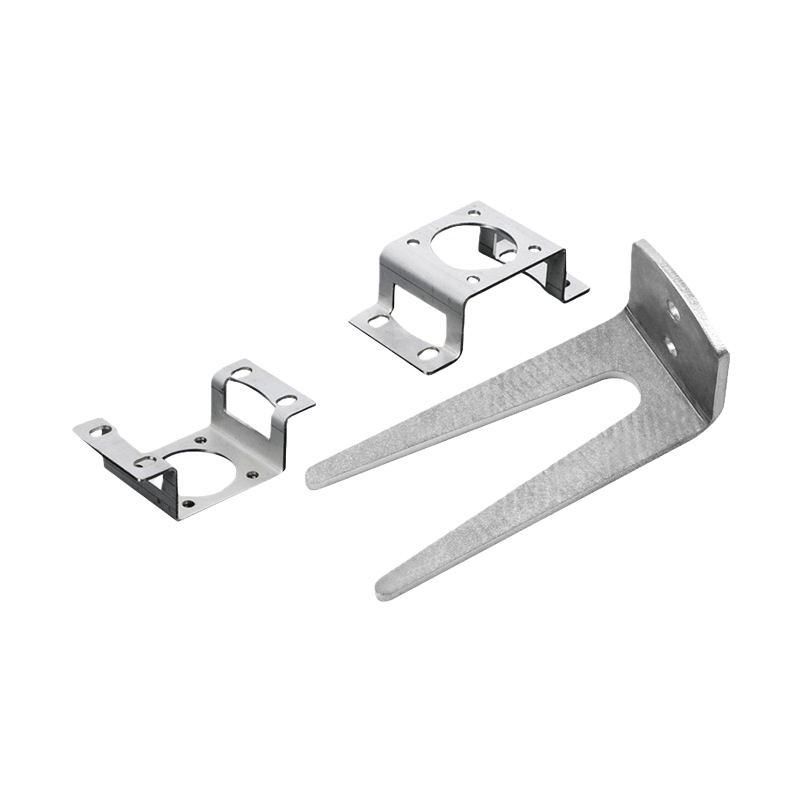
Sheet metal fabrication is widely used to manufacture brackets, panels, enclosures, cabinets, machine covers, chassis, frames, ducts, and many other industrial and commercial components.
What Does Sheet Metal Fabrication Mean?
The term sheet metal fabrication refers to a group of manufacturing processes rather than a single machine operation. A fabricator starts with sheet metal in a flat form and uses different processes to achieve the required dimensions, geometry, strength, and appearance.
Unlike CNC machining, which generally removes material from a solid block, sheet metal fabrication primarily works by cutting and reshaping relatively thin sheets. This makes it suitable for producing lightweight structures, enclosures, brackets, panels, and other components where strength and efficient material use are important.
A typical fabrication project can be summarized as:
Design → Material Selection → Cutting → Bending/Forming → Joining → Finishing → Inspection
How Does Sheet Metal Fabrication Work?
The exact workflow depends on the part design, material, thickness, production volume, and required tolerances. However, most sheet metal fabrication projects follow several basic stages.
1. Design and Engineering
The process usually starts with a 2D drawing, 3D CAD model, or engineering specification. Before production, the design is reviewed to determine whether the part can be manufactured efficiently.
Important design considerations include material thickness, bend radius, bend sequence, hole location, flange dimensions, tolerances, surface finish, and assembly requirements.
Design-for-manufacturing considerations are particularly important because a seemingly simple feature can affect how the part is cut, bent, welded, or assembled.
2. Material Selection
The appropriate sheet metal material is selected according to the required strength, corrosion resistance, weight, formability, appearance, and operating environment.
Common choices include carbon steel, stainless steel, aluminum, galvanized steel, copper, and brass. Different materials have different forming characteristics, so material selection can also affect the fabrication process.
3. Sheet Metal Cutting
Cutting creates the initial flat blank and produces features such as holes, slots, openings, and external profiles.
Common sheet metal cutting methods include:
Laser cutting: Uses a focused laser beam to cut complex profiles with high precision.
CNC punching: Uses a punch and die to create holes, slots, and other features.
Shearing: Uses mechanical blades to make straight cuts.
Plasma cutting: Uses a high-temperature plasma arc and is often suitable for thicker metal.
Waterjet cutting: Uses a high-pressure water stream, sometimes with abrasive material, without creating the same heat-affected zone associated with thermal cutting.
The most suitable cutting method depends on the material, thickness, geometry, production volume, and required edge quality.
4. Bending and Forming
After cutting, the flat sheet can be bent or formed into the required three-dimensional shape.
A CNC press brake is commonly used to create bends and flanges. During bending, the sheet is positioned between a punch and die, and controlled force deforms the material to the required angle.
Depending on the design, other forming methods can include roll forming, stamping, and deep drawing. The choice depends on the geometry and production requirements.
One important consideration during bending is springback. After the forming force is removed, the material may partially return toward its original shape. Fabricators therefore need to account for material properties, bend radius, tooling, and forming conditions when determining the bending parameters.
5. Joining and Assembly
Some sheet metal components can be manufactured from a single piece of material, while others require multiple parts to be joined together.
Common joining methods include:
MIG welding
TIG welding
Spot welding
Riveting
Bolting and fastening
Self-clinching hardware
Adhesive bonding
Welding is commonly used when a permanent and strong connection is required. Rivets, fasteners, and self-clinching hardware can be useful when the design requires mechanical assembly or easier serviceability.
6. Surface Finishing
After fabrication, sheet metal parts may require surface finishing for appearance, corrosion protection, durability, or specific functional requirements.
Common finishing options include powder coating, anodizing, plating, polishing, brushing, grinding, and passivation.
For example, powder coating can provide a durable protective surface and a wide range of colors, while anodizing is commonly used for aluminum parts to improve surface properties and appearance.
7. Inspection and Quality Control
The finished parts are inspected to verify that they meet the specified dimensions, tolerances, appearance, and functional requirements.
Depending on the project, inspection may include dimensional measurement, hole-position checks, bend-angle verification, weld inspection, surface inspection, and assembly testing.
Quality control is particularly important for OEM sheet metal components because small dimensional errors can affect the fit of the final assembly.
What Materials Are Used in Sheet Metal Fabrication?
A wide range of metals can be fabricated into sheet metal components. The best material depends on the application's mechanical, environmental, and aesthetic requirements.
| Material | Key Characteristics | Common Applications |
|---|
| Carbon Steel | Strong, economical, and widely available | Brackets, frames, machine parts, cabinets |
| Stainless Steel | Corrosion resistance and good durability | Food equipment, medical equipment, enclosures |
| Aluminum | Lightweight, corrosion resistant, and relatively easy to form | Electronics, transportation, enclosures |
| Galvanized Steel | Steel substrate with improved corrosion resistance | HVAC, cabinets, construction components |
| Copper | Excellent electrical and thermal conductivity | Electrical components and conductive parts |
| Brass | Good machinability and attractive appearance | Decorative and electrical components |
What Machines Are Used for Sheet Metal Fabrication?
Modern sheet metal fabrication shops use a combination of CNC equipment and conventional machines. The equipment selected depends on the fabrication process and part requirements.
Laser Cutting Machine
Laser cutting machines use a concentrated beam of energy to cut sheet metal according to a programmed pattern. They are commonly used for complex profiles, holes, slots, and other precise features.
CNC Punching Machine
CNC punching machines use programmed punch and die tools to create holes and formed features. They can be particularly efficient for parts with many repeated openings.
CNC Press Brake
A CNC press brake forms flat sheet metal into angles, channels, flanges, and other shapes. The machine uses programmed tooling and positioning systems to achieve repeatable bends.
Welding Equipment
MIG, TIG, and resistance welding equipment can be used to join fabricated sheet metal components. The appropriate method depends on the material, thickness, joint design, and required appearance.
Finishing Equipment
Depending on the required finish, fabrication shops may also use grinding, brushing, polishing, deburring, powder coating, plating, or anodizing equipment.
What Are the Advantages of Sheet Metal Fabrication?
Sheet metal fabrication is widely used because it offers a combination of design flexibility, production efficiency, durability, and relatively low tooling requirements.
1. Flexible for Custom Parts
CNC cutting and bending equipment can produce a wide range of geometries without requiring a dedicated mold for every individual part. This makes sheet metal fabrication suitable for prototypes, custom components, and low-to-medium production volumes.
2. Suitable for Complex Geometries
By combining cutting, bending, forming, and joining, fabricators can create complex enclosures, brackets, panels, chassis, and structural components.
3. Good Strength-to-Weight Ratio
Bends, flanges, ribs, and formed sections can increase the stiffness of a sheet metal component without requiring the entire part to be made from a thick solid block.
4. Efficient Production
Modern CNC machines allow cutting and bending operations to be programmed digitally, helping manufacturers produce repeatable parts and reduce manual processing.
5. Suitable for Different Production Volumes
Sheet metal fabrication can be used for prototypes and small batches as well as larger production runs. Compared with processes that require dedicated tooling, it can offer greater flexibility when designs change frequently.
Where Is Sheet Metal Fabrication Used?
Sheet metal fabrication is used across many industries because fabricated metal components can provide strength, durability, dimensional control, and customizable designs.
Automotive: Brackets, body components, shields, chassis parts, and structural components.
Electronics: Electrical enclosures, control boxes, equipment housings, and mounting panels.
Industrial Machinery: Machine covers, guards, frames, brackets, and equipment housings.
Construction: HVAC components, panels, supports, ducts, and structural accessories.
Telecommunications: Cabinets, racks, enclosures, panels, and mounting components.
Medical Equipment: Equipment housings, frames, trays, and protective panels.
Energy: Electrical cabinets, equipment enclosures, brackets, and structural components.
Consumer Products: Appliances, furniture components, hardware, and decorative metal parts.
Sheet Metal Fabrication vs. CNC Machining
Sheet metal fabrication and CNC machining are both widely used manufacturing methods, but they start with different types of raw material and use different production principles.
| Feature | Sheet Metal Fabrication | CNC Machining |
|---|
| Starting Material | Flat metal sheet | Block, bar, plate, or other stock |
| Main Process | Cutting, bending, forming, joining | Material removal |
| Typical Parts | Panels, brackets, enclosures, cabinets | Precision blocks, shafts, housings, complex machined parts |
| Material Waste | Generally limited to cutouts and perimeter scrap | Can produce more chips and removed material |
| Best Suited For | Thin-walled and formed components | Parts requiring extensive 3D machining |
What Factors Affect the Cost of Sheet Metal Fabrication?
The cost of sheet metal fabrication depends on several factors rather than material cost alone.
Material type: Different metals have different raw material prices.
Material thickness: Thicker sheets may require more powerful cutting and forming equipment.
Part size: Larger components consume more material and may require larger equipment.
Number of bends: More bends generally increase processing time.
Cutting complexity: Complex profiles and numerous holes can increase cutting time.
Welding requirements: Weld length, joint complexity, and assembly requirements affect labor.
Surface finishing: Powder coating, plating, anodizing, and other treatments add processing costs.
Production volume: Higher quantities can improve production efficiency and reduce the unit cost.
Tolerances: Tight tolerances may require additional inspection and specialized processes.
What Should You Provide to a Sheet Metal Fabricator?
For an accurate quotation and smooth production process, customers should provide as much technical information as possible.
A typical project package may include a 2D engineering drawing, 3D CAD model, material specification, sheet thickness, quantity, dimensional tolerances, surface finish requirements, welding requirements, and packaging requirements.
Providing clear drawings and specifications allows the fabricator to evaluate manufacturability, select suitable processes, and identify potential issues before production begins.
FAQ
What is sheet metal fabrication?
Sheet metal fabrication is the process of transforming flat metal sheets into finished parts or assemblies through cutting, bending, forming, joining, and finishing operations.
What are the main processes in sheet metal fabrication?
The main processes include cutting, bending, forming, joining, surface finishing, and inspection. Depending on the part, additional operations such as punching, welding, riveting, or hardware installation may also be required.
What metals can be used for sheet metal fabrication?
Common materials include carbon steel, stainless steel, aluminum, galvanized steel, copper, and brass. Material selection depends on the required strength, corrosion resistance, weight, formability, conductivity, and appearance.
Is sheet metal fabrication expensive?
The cost depends on material, thickness, part size, geometry, number of bends, cutting requirements, welding, finishing, tolerances, and production volume. Simple parts can be relatively economical, while highly complex or tightly controlled parts require more processing.
What products are made using sheet metal fabrication?
Common products include electrical enclosures, machine covers, cabinets, brackets, panels, chassis, frames, HVAC components, equipment housings, and various custom OEM components.
What is the difference between sheet metal fabrication and sheet metal processing?
The terms are often used interchangeably. Both generally refer to manufacturing operations that cut, form, bend, join, and finish sheet metal to create finished components.